Choose the listed vial format
Begin with the 3 mL or 10 mL item page, rather than treating all water supplies as interchangeable. The listed format belongs in the selection record.

Laboratory supply
A clear route to the listed water supply, vial details, and supporting research resources before a laboratory selects material for its own workflow.
For laboratory research and educational purposes only. Not for human or veterinary use.
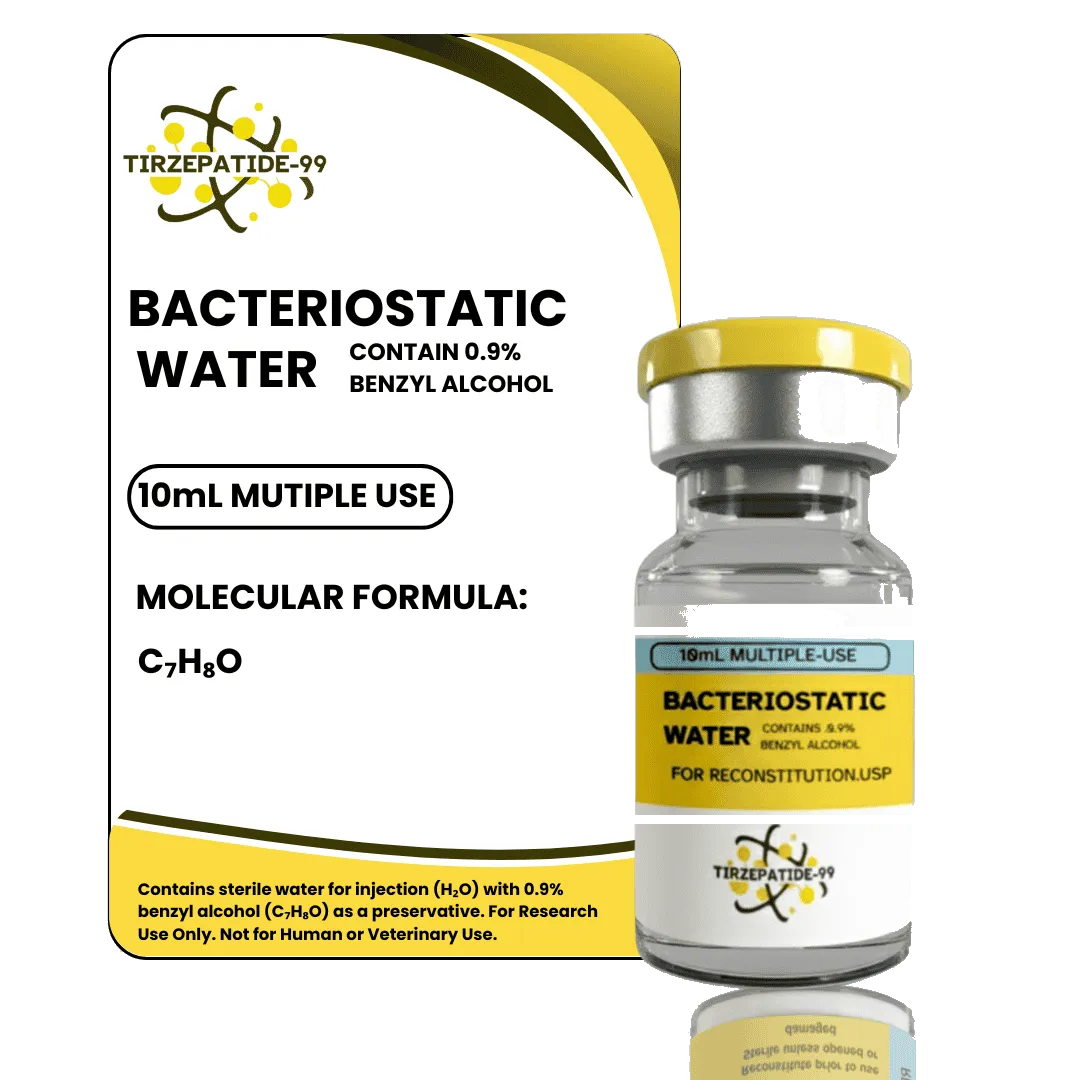
A supply should be specific
Bacteriostatic water is a supporting laboratory supply, not a generic add-on. A useful selection begins by confirming the exact vial size, reviewing the material information shown on its product page, and deciding whether that listed item belongs in the laboratory’s own documented workflow. That sequence keeps a broad supply search from becoming an assumption about a particular material or method.
GLP-123 lists bacteriostatic water in 3 mL and 10 mL formats within the laboratory-supplies catalog. The product pages identify the vial format and the information supplied for that specific item. Keeping the selection tied to the individual listing gives a team a reliable place to return when it needs to verify what was reviewed.
The listed products describe sterile water with 0.9% benzyl alcohol. That product information can help a laboratory identify the material it is considering, but it does not determine a protocol, establish compatibility with every research material, or replace the laboratory’s own assessment. Those decisions remain with the qualified team carrying out the research.
Before selecting a supply
Begin with the 3 mL or 10 mL item page, rather than treating all water supplies as interchangeable. The listed format belongs in the selection record.
Read the specific product information before selecting material. A category label is useful for browsing, while the item page identifies the vial under consideration.
Material selection does not prescribe a method. The research team remains responsible for its procedures, controls, compatibility review, and documentation.
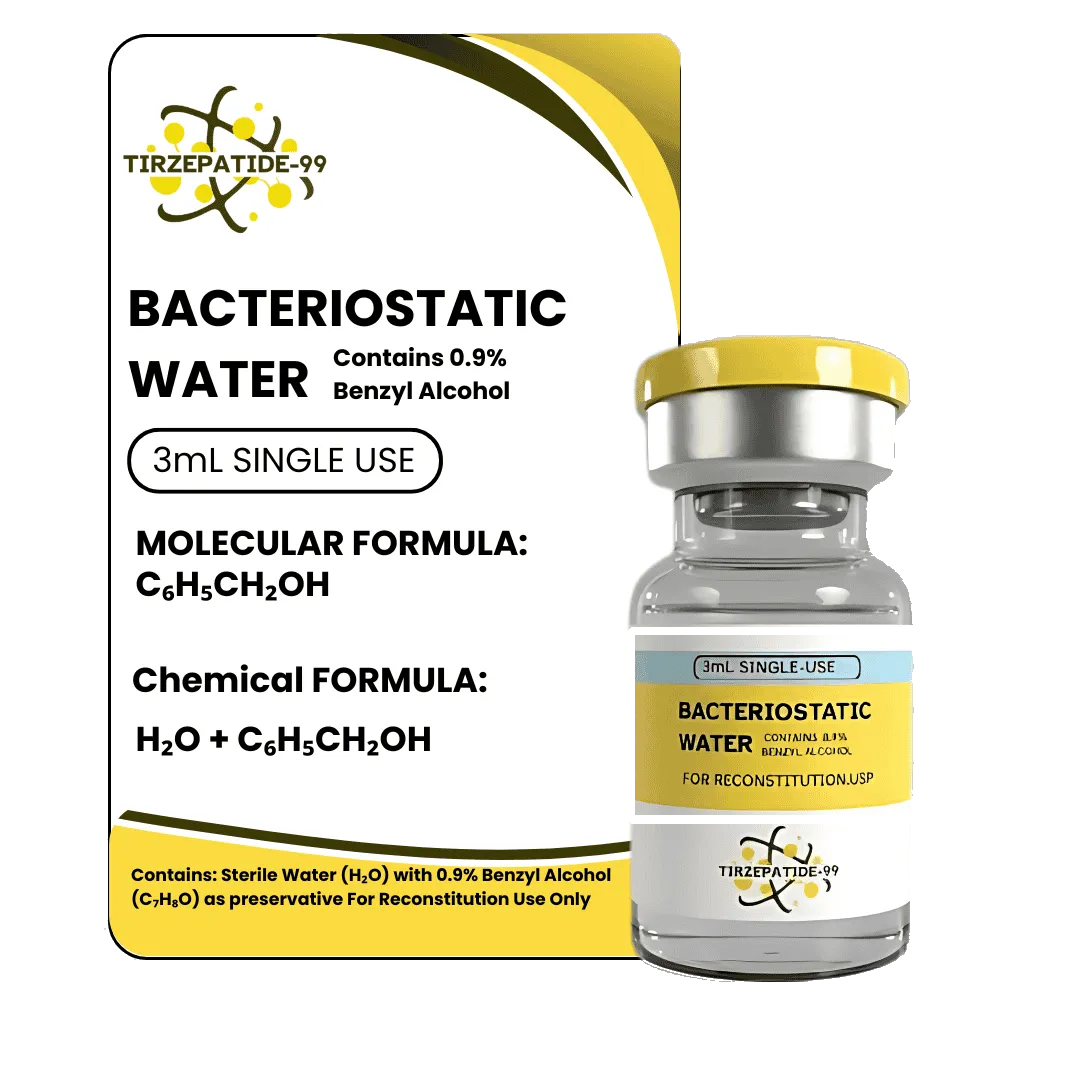
A focused supply path
Research teams often encounter water supplies as a small detail beside a peptide listing. It is worth treating that detail with the same specificity as any other material being reviewed. A specific product page establishes the vial format and its listed information. The laboratory’s own records establish how, or whether, it belongs in a particular study workflow.
This division is practical. It lets GLP-123 present a straightforward catalog of research supplies without suggesting that one listing answers every handling or assay question. It also gives a qualified researcher a clear next step: open the exact product page, retain the relevant item record, and use the laboratory’s established controls for the scientific decisions that follow.
Open laboratory essentials →What to review
The vial size. GLP-123 currently lists both 3 mL and 10 mL bacteriostatic water options. The format is a concrete part of a product comparison, so it should be captured with the exact item page instead of being inferred from a general supply category.
The named product. The product page is the source for the item’s listed description, current catalog presentation, and available purchase path. It is more useful than a broad reference because it identifies the particular supply a laboratory is deciding whether to obtain.
The listed composition. The current GLP-123 product descriptions identify sterile water with 0.9% benzyl alcohol. That is descriptive information for the listed material. It should be reviewed alongside the laboratory’s actual requirements, not extended into a universal statement about suitability.
The intended research context. GLP-123 presents these supplies for laboratory research and educational purposes only. They are not listed for human or veterinary use. Keeping that boundary visible helps separate a research catalog decision from uses the catalog does not support.
The laboratory’s own method. A product listing cannot choose an experimental design, validate a solution for an assay, or set handling controls for a research team. Those decisions should follow the laboratory’s established procedures and the requirements of the work being planned.
The supporting record. When the water supply is reviewed alongside a specific GLP research kit, retain the product links and the date reviewed with the laboratory notes. If a related peptide batch record is relevant to the overall material review, the public COA archive provides a separate place to locate that available documentation.
Available vial formats
Open the individual product page for the specific vial format being considered for laboratory research.
3 mL vial
10 mL vial
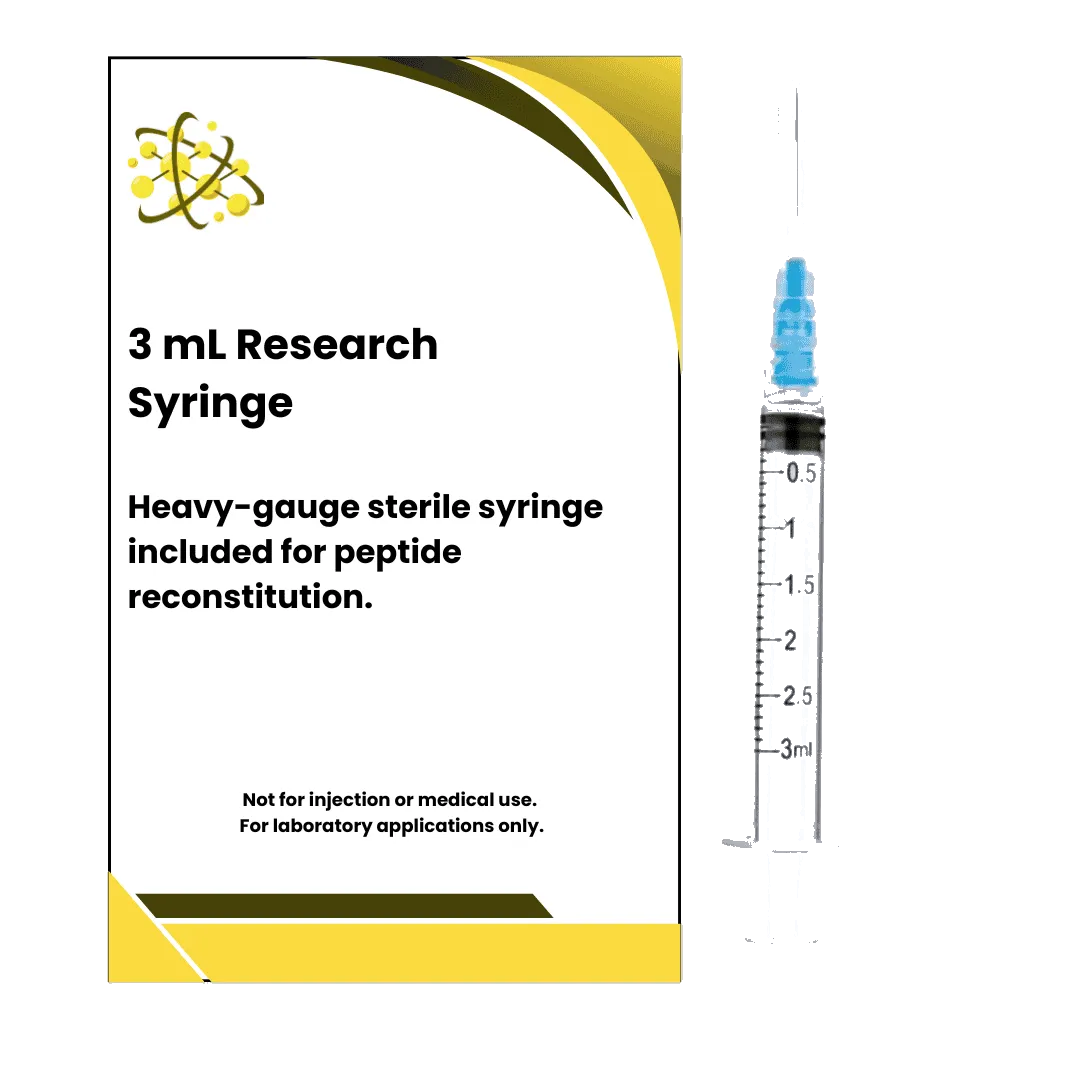
Laboratory essentials
A careful supply review
When a laboratory searches for bacteriostatic water, the immediate need may look simple: identify an available supply and choose a vial format. A product decision, however, becomes clearer when it is documented at the same level of detail as the other materials in the workflow. Start by opening the individual listing, review the description and vial size, and retain that link with the material record.
That record trail also helps distinguish product information from laboratory interpretation. The product listing can state what GLP-123 has made available. It cannot determine which diluent or method a particular assay requires, predict how a material will behave under a study condition, or replace a research team’s compatibility work. Keeping those responsibilities separate supports clearer internal handoffs.
It also makes later review more straightforward. A colleague should be able to see which vial format was selected, where the listing was reviewed, and which parts of the decision were product facts versus laboratory decisions. That record can be brief, but it is more useful than a general note that water was obtained. It gives the next qualified reviewer a specific starting point without implying a method that was never documented.
If a team is also evaluating one of GLP-123’s research peptide kits, it can move from the kit listing to an available batch record through the COA archive. That documentation review concerns the named peptide material and its available record, while this page concerns the supporting laboratory supply. The two paths can sit in one project record without being mistaken for the same type of evidence.
After the product and record review, GLP-123’s preparation guide and EZ Prep reference provide separate planning resources. They do not replace a laboratory’s procedures or qualified oversight. For a question about a specific listed product, the most useful starting point is the exact item name and vial size when contacting GLP-123 support.
Frequently asked questions
GLP-123 currently lists 3 mL and 10 mL bacteriostatic water options in its laboratory-supplies catalog. Review the individual product page for the current item details before selecting a vial.
The listed products describe sterile water with 0.9% benzyl alcohol and identify the material as a research-use supply. The product page is the appropriate place to review the specific vial size and listed details.
No. A laboratory supply supports a defined workflow, but the laboratory remains responsible for choosing a compatible method, maintaining appropriate controls, and documenting its own work.
No. GLP-123 materials and laboratory supplies are offered for laboratory research and educational purposes only. They are not intended for human or veterinary use.
Bacteriostatic water for research